Table of contents
- What Is Electroplating? — Definition and Working Principle in Jewelry
- Electroplated Ring Production Process by a Custom Brass Jewelry Manufacturer
- Types of Electroplating in Jewelry
- Electroplating vs PVD: Which Technique Is Better for Jewelry?
- Fulcol’s Electroplating Advantages and Customization Capabilities
What Is Electroplating? — Definition and Working Principle in Jewelry
Electroplating is a technique that uses electrochemical reactions to deposit a thin layer of metal onto the surface of another metal. It is not only used for corrosion and rust prevention but is also a key process in jewelry to enhance aesthetics and durability. For any professional Custom Ring manufacturer, the precision and stability of electroplating directly determine the visual effect and lifespan of the final product.
The basic principle of electroplating involves passing an electric current through an electrolyte, causing metal ions to migrate to the cathode (the jewelry base) and reduce into metal atoms, forming a uniform coating. The substrate, usually copper, brass, or silver, acts as the cathode, while the plating metal (such as gold, rhodium, or silver) serves as the anode. When direct current passes through the electrolyte, metal ions from the anode deposit onto the cathode, creating a durable and decorative metal layer.
The plating layer typically ranges from 0.1 to 5 microns, providing oxidation resistance while giving jewelry a high reflection and soft color. For example:
- Thick gold plating (2–5 microns): commonly used for high-end jewelry, offering strong wear resistance and deeper color.
- Light plating (0.2–0.5 microns): suitable for fashion jewelry, lower cost, and ideal for fast-changing design collections.
The advantages of electroplating include:
- Corrosion protection — isolates the metal from air and sweat, preventing tarnishing.
- Increased hardness and wear resistance — jewelry is less prone to scratches during long-term wear.
- Improved skin feel and hypoallergenic properties — especially important for brass jewelry.
Therefore, electroplating is not just a technique but an art, combining chemistry, physics, and aesthetics to add lasting brilliance to jewelry.
Electroplated Ring Production Process by a Custom Brass Jewelry Manufacturer
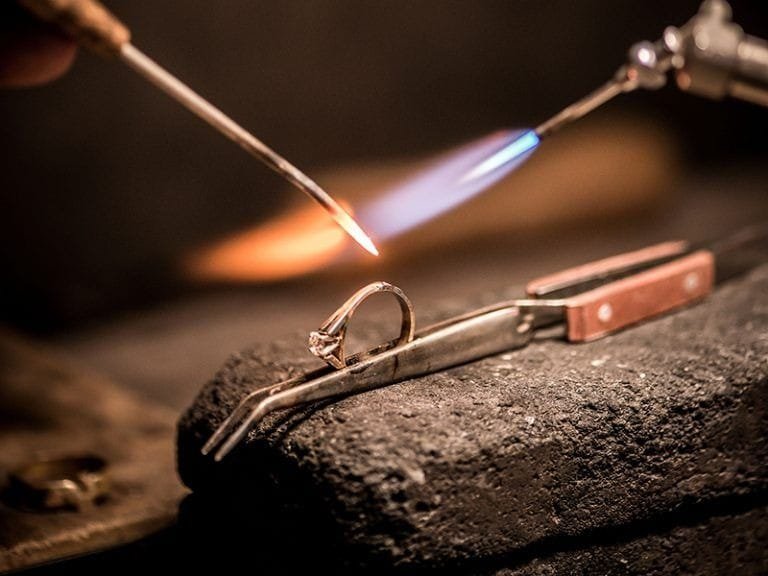
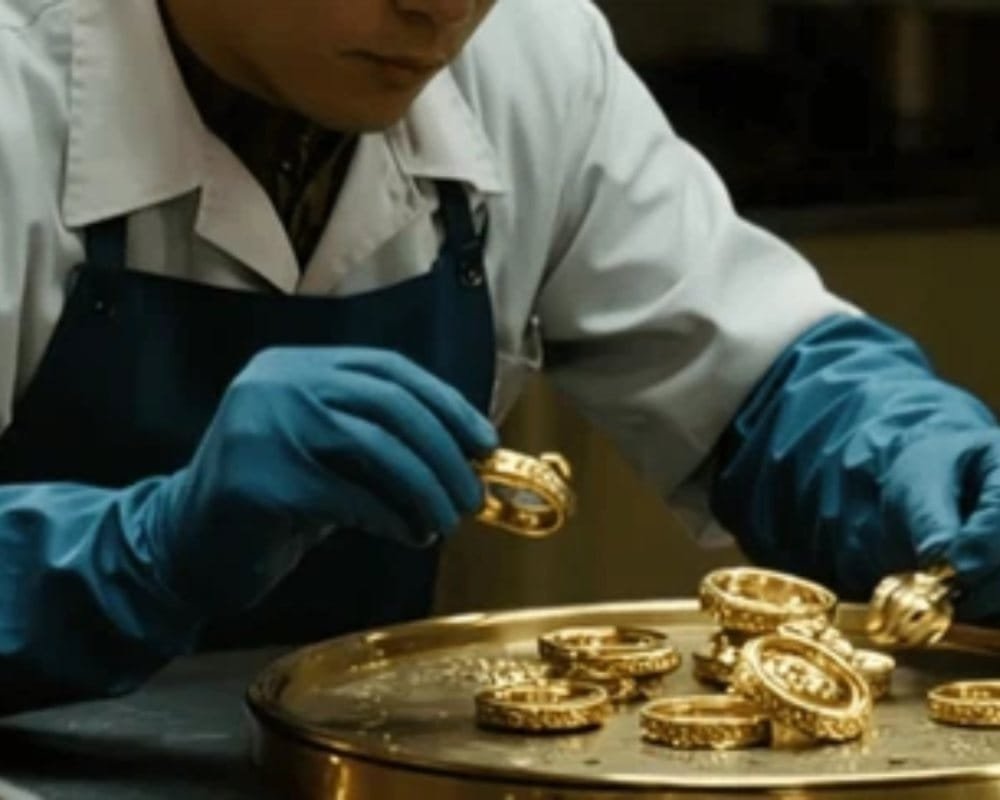
In an experienced Custom Brass Jewelry Manufacturer like Fulcol, producing electroplated rings is a meticulous process. Every step from polishing to plating affects coating adhesion and luster.
- Surface Preparation and Polishing: The foundation is critical. Ring blanks are deburred, polished, and ultrasonically cleaned to remove oxides and oils. Even minor flaws will be magnified after plating.
- Degreasing and Activation: A alkaline degreaser removes surface residues, followed by acid activation to improve conductivity and adhesion.
- Base Layer Plating: Brass jewelry usually undergoes a copper-nickel double plating. Copper ensures even current distribution, while nickel provides oxidation resistance. This prevents discoloration in subsequent layers.
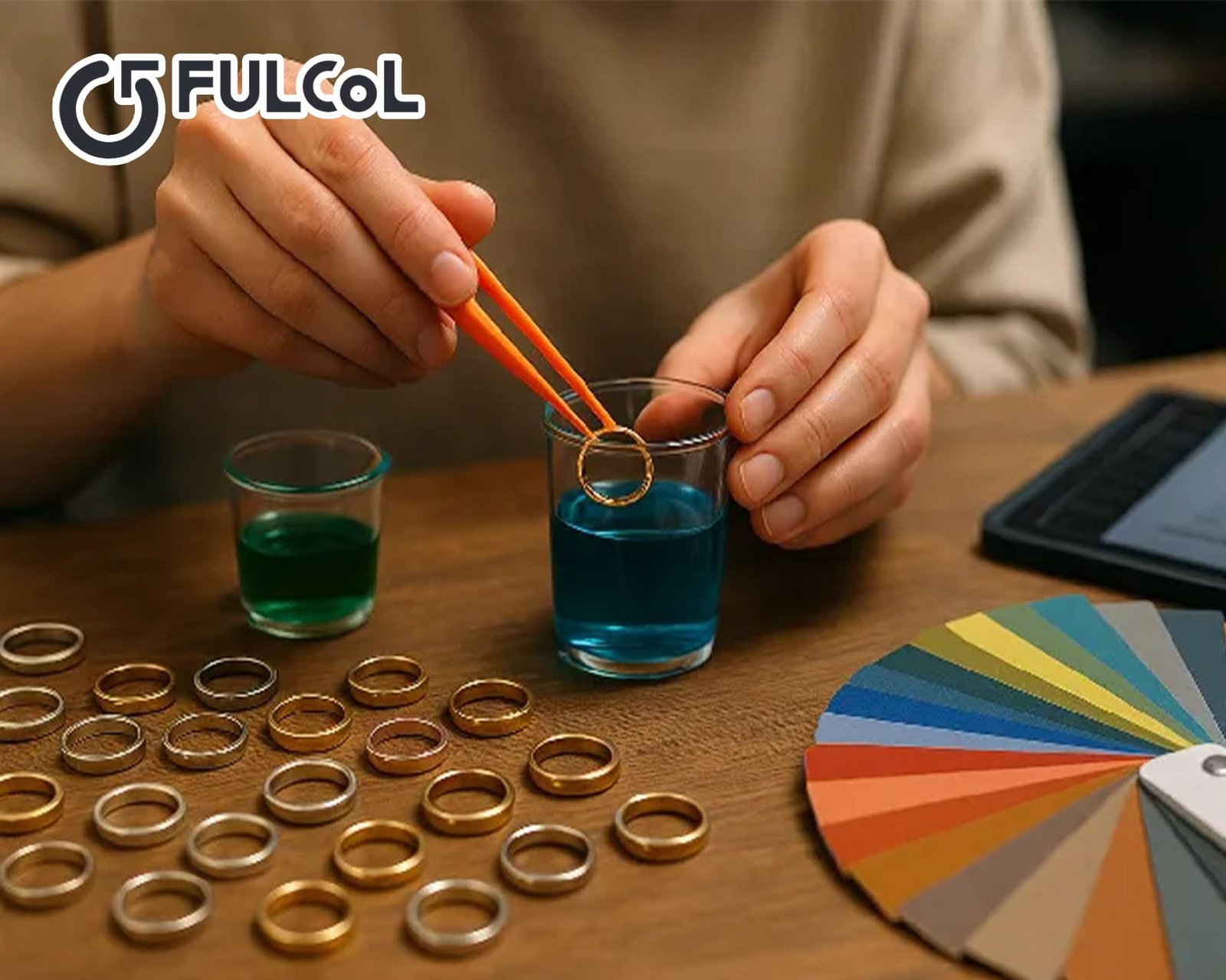
- Main Plating (Gold, Rhodium, Rose Gold, etc.): Rings are plated in specialized electrolytes according to client specifications. Fulcol carefully controls temperature (~40°C), current density, and time to ensure uniform color and strong adhesion.
- Rinsing and Drying: After plating, rings are rinsed with deionized water to remove residual solution and dried in temperature-controlled ovens.
- Polishing and Inspection: Final steps include mirror polishing and quality inspection. Fulcol uses coating thickness meters and salt spray testers to ensure stability, wear resistance, and corrosion protection.
The entire process operates under ISO9001 quality systems, recording every stage from raw material to finished product, ensuring each custom ring is traceable and verifiable.
Types of Electroplating in Jewelry
Jewelry electroplating varies by visual effect, functionality, and style, each metal with unique characteristics and applications:
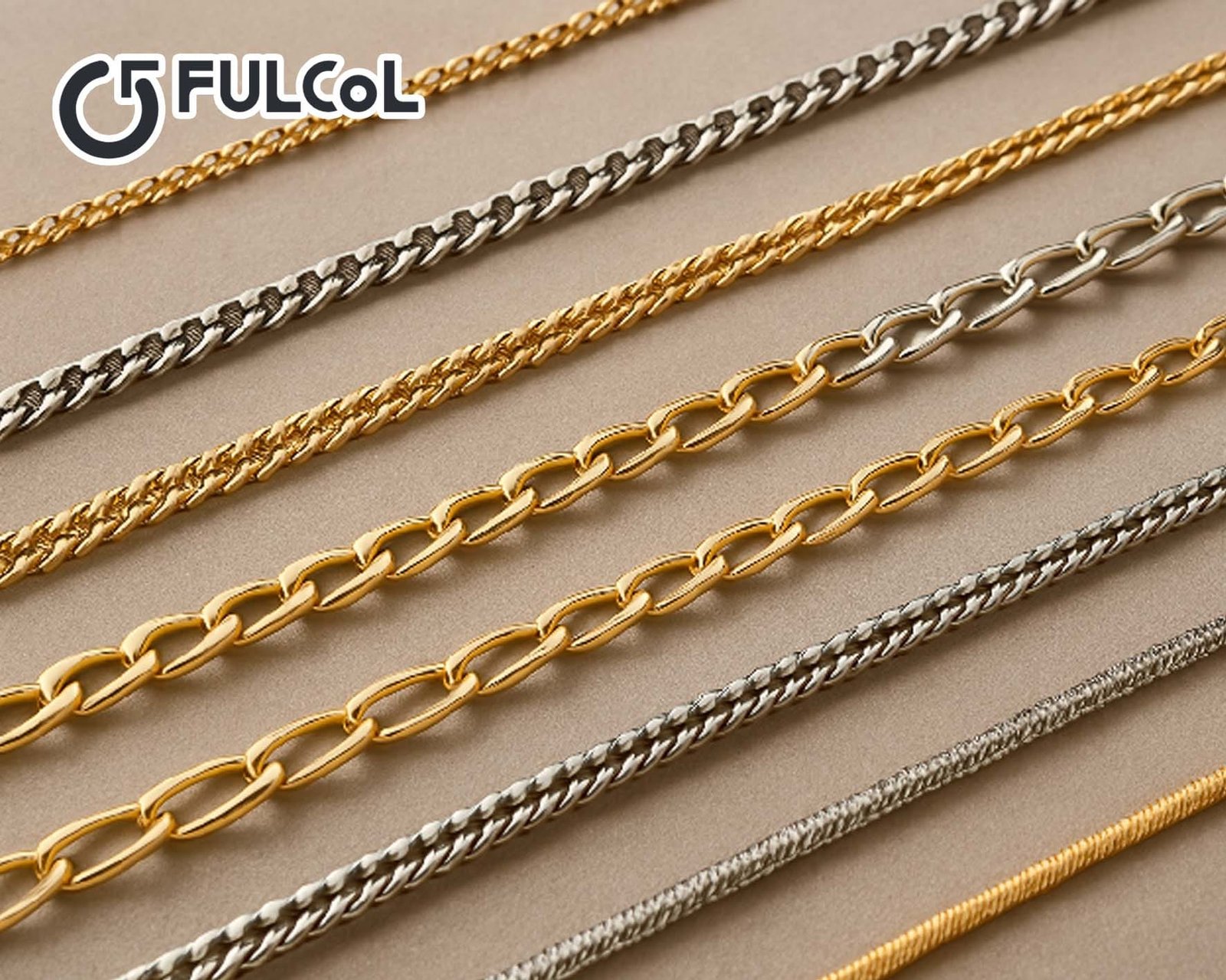
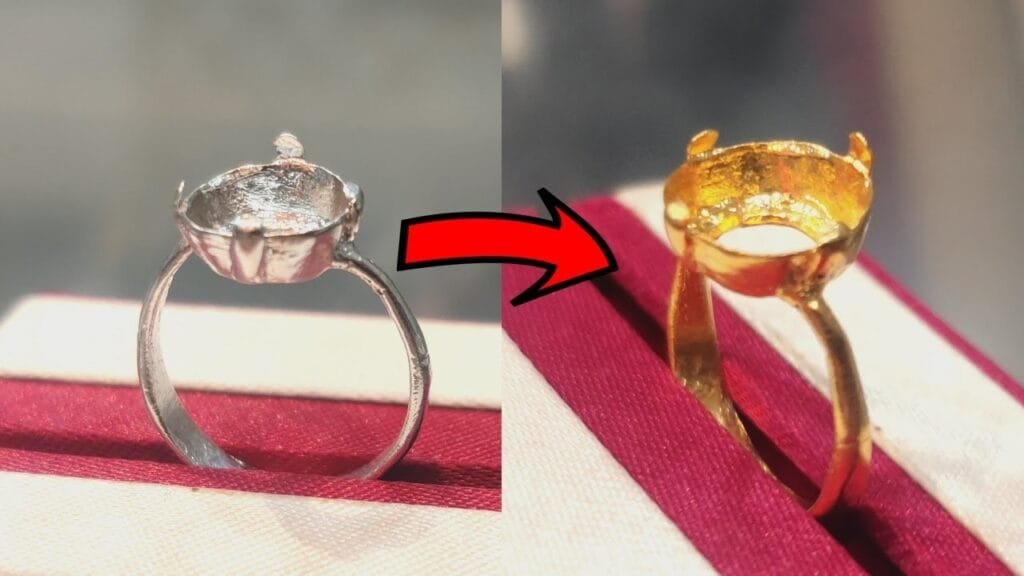
- Gold Plating: Classic and luxurious, commonly used for high-end rings and necklaces. Thicker layers result in deeper and more durable color. 18K gold provides a warm tone, while 24K offers a pure golden hue.
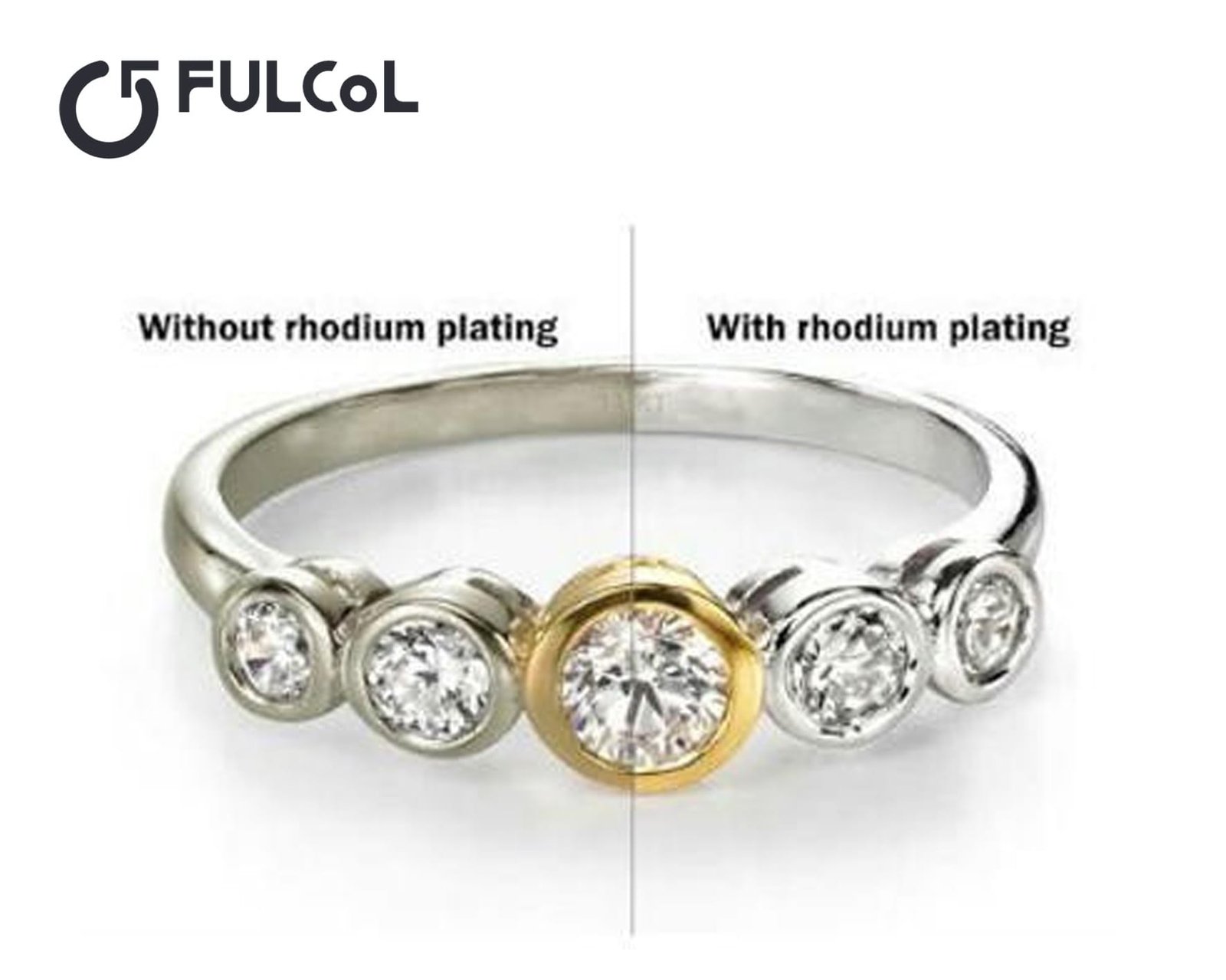
- Rhodium Plating: One of the most oxidation-resistant precious metals, offering high reflectivity. Often applied on silver or white gold jewelry to prevent darkening and enhance brightness.
- Rose Gold Plating: Formed by adding a small amount of copper to gold, giving a soft and romantic pink tone, popular among female consumers.
- Silver Plating: Naturally bright but prone to tarnishing from sulfides, often paired with protective clear coatings.
- Black Rhodium and Black Nickel Plating: Special electrolytes create dark gray or black finishes, widely used in men’s jewelry or modern design.
- Color Plating: By adjusting current density or adding dyes, unique colors such as rainbow or antique bronze can be achieved, often used in fashion collections.
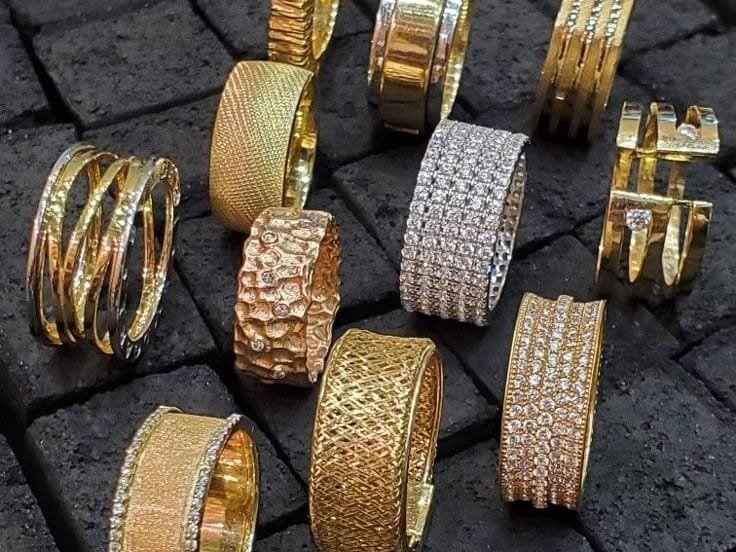
Choosing plating type depends on design style, wear environment, and cost. High-end jewelry usually prefers rhodium plating, while fast fashion favors rose gold or black plating.
Electroplating vs PVD: Which Technique Is Better for Jewelry?
With technological advancements, PVD (Physical Vapor Deposition) has entered jewelry manufacturing. Though not called “electroplating,” PVD serves a similar purpose—enhancing appearance and durability.
| Comparison | Electroplating | PVD Coating |
|---|---|---|
| Principle | Metal ions reduced in electrolyte | Metal atoms evaporated in vacuum |
| Thickness | 0.1–5 microns | 0.05–2 microns |
| Adhesion | Strong, depends on pretreatment | Very strong, denser coating |
| Color | Adjustable (gold, silver, black, rose gold, etc.) | Stable, resists fading |
| Cost | Low, mature process | Higher, environmentally friendly |
| Application | Traditional jewelry, silver | High-end stainless steel, titanium jewelry |
For jewelers, the two are complementary.
- Electroplating excels in rich color and traditional shine
- PVD offers higher wear resistance and eco-friendliness
Modern factories like Fulcol often use a hybrid approach: electroplating for desired color, followed by PVD to reinforce the surface. This combination enhances aesthetics and significantly extends ring durability.
Fulcol’s Electroplating Advantages and Customization Capabilities
As a professional jewelry manufacturer, Fulcol has over 20 years of experience producing high-quality custom metal jewelry. As a Custom Ring manufacturer and Custom Brass Jewelry Manufacturer, Fulcol demonstrates significant strengths in electroplating, customization, and design support.
Electroplating Advantages
- Multi-layer plating system: copper-nickel-rhodium structure ensures adhesion, wear resistance, and luster.
- Precision equipment: automated temperature-controlled plating lines, online thickness meters, and advanced polishing machines guarantee consistent and stable coatings.
- Eco-friendly options: nickel-free and lead-free plating compliant with international standards and consumer health requirements.
Customization Capabilities
- Material flexibility: K-gold, silver, brass, and advanced finishes can be tailored to design requirements.
- Full customization: plating color, polish finish, brand engraving, and packaging design ensure products align with brand style and market positioning.
Design and Technical Support
- Professional 3D modeling and engraving: transform sketches or concepts into precise 3D models for structural accuracy and comfortable wear.
- Trend-driven creativity: market research and client needs inform original designs and custom innovation solutions.
Through superior electroplating and comprehensive customization, Fulcol provides exquisite jewelry and serves as a reliable global partner for brands. Whether aiming for luxurious gold, fashionable rose gold, or modern black finishes, Fulcol’s expertise ensures every creative idea becomes reality.
| Start Your Custom Order | Email: info@fulcol.com | Number: +86 13055603907 |
In modern jewelry, electroplating represents both scientific achievement and aesthetic extension. It determines color, texture, and durability and symbolizes a brand’s craftsmanship.
For a Custom Ring manufacturer like Fulcol, electroplating is more than making metals shine—it is a philosophy of craft that combines science, precision, and innovation, ensuring a ring’s brilliance withstands the test of time.
With environmental consciousness and technological integration, electroplating continues to evolve. Fulcol will keep leveraging its advanced electroplating skills and extensive customization capabilities to help global jewelry brands create durable and dazzling masterpieces.