Table of contents
- Common Bracelet Types Explained: Structural Features, Wearing Methods, and Suitable Wearers
- Bracelet Types by Material: Core Differences Between Brass and 925 Silver
- Size, Structure, and Wearing Comfort: How to Choose the Right Bracelet
- Fulcol Custom & Wholesale Advantages: Creating the Ideal Bracelet
- Frequently Asked Questions and Practical Recommendations
Common Bracelet Types Explained: Structural Features, Wearing Methods, and Suitable Wearers
In the field of metal jewelry, bracelet and bangle types are usually defined by their structural forms, which directly affect how they are worn, overall comfort, and the groups they are suitable for. The following content focuses exclusively on metal bangles and bracelets, applicable to mainstream customization and wholesale scenarios using materials such as brass and 925 silver.
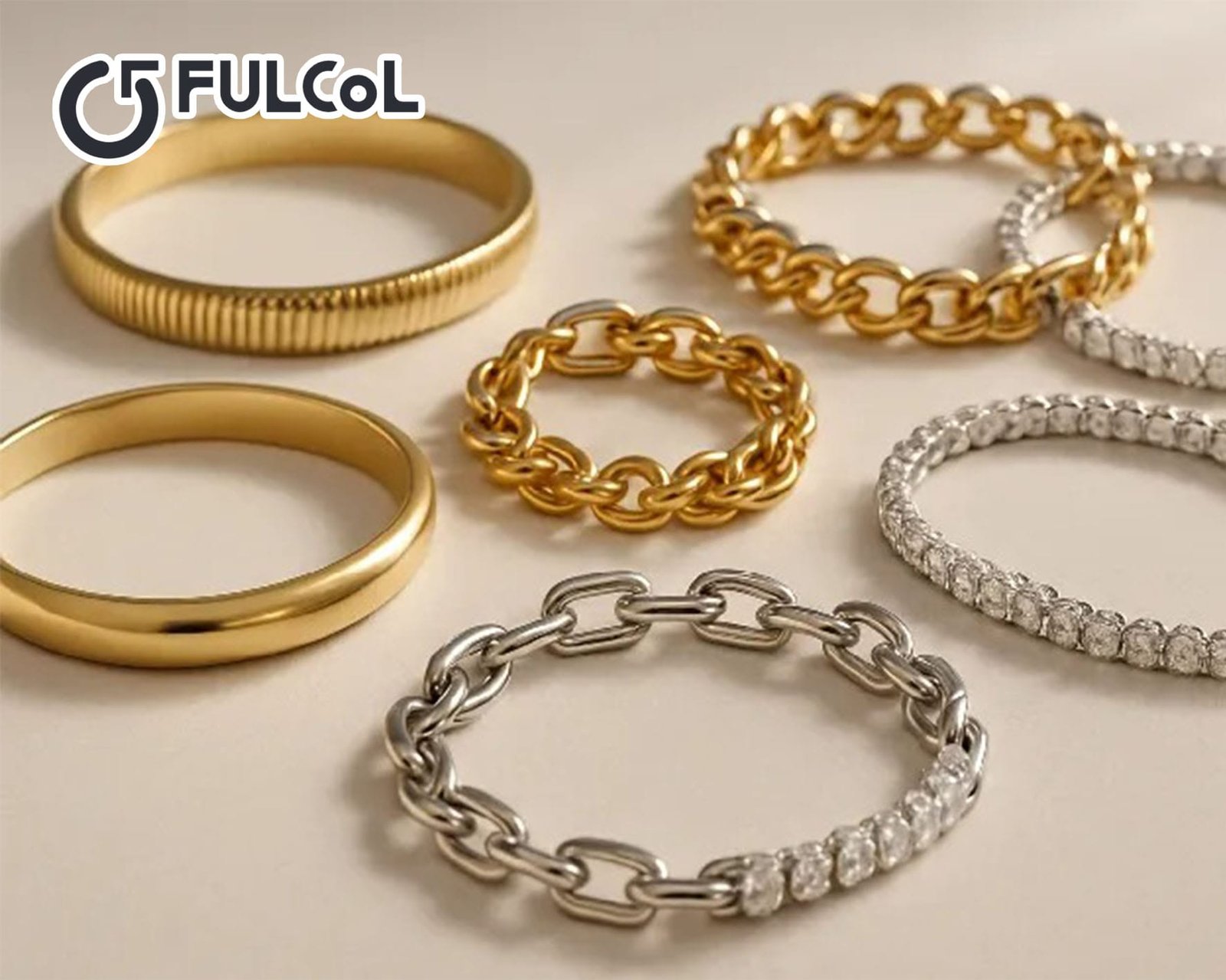
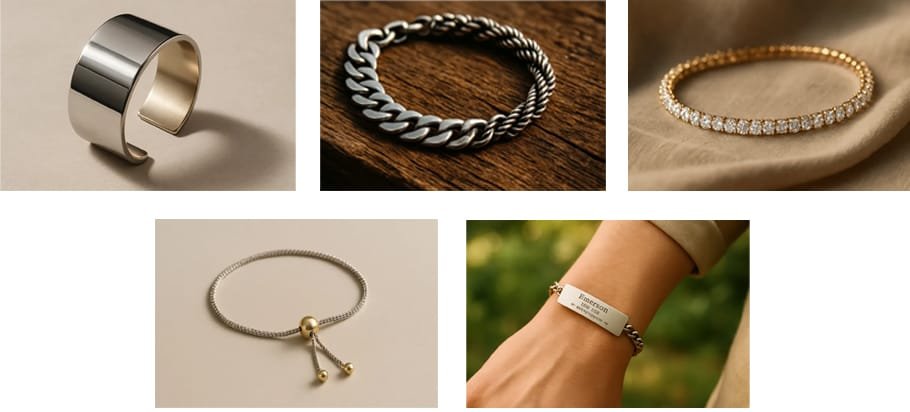
- Classic Closed Bangles: Closed bangles are the most representative traditional metal bracelet type. They feature a complete circular structure with no opening or adjustment mechanism. Because they must be slid over the hand, inner diameter sizing is especially important. These bangles emphasize clean lines and a strong sense of integrity, maximizing the display of the metal’s natural texture and weight. They are commonly used in minimalist styles, cultural designs, or collections that highlight material value. This type is best suited for wearers with relatively stable wrist sizes who prefer long-term, secure wear.
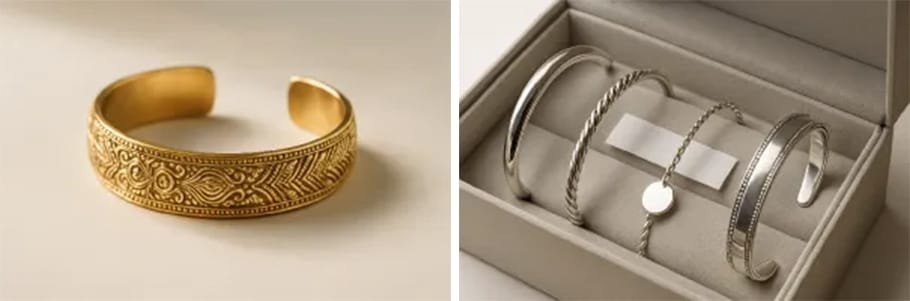
- Cuff Bracelets: Cuff bracelets use a semi-open structure, allowing slight adjustment during wear and offering greater tolerance for different wrist sizes. This structure is widely adopted in modern markets, balancing visual appeal with wearing convenience. The open ends often serve as design focal points and may feature geometric shapes, textures, or decorative elements. From a wholesale and customization perspective, cuff bracelets are ideal for multi-market distribution, as they reduce sizing mismatch risks.
- Chain Bracelets: Chain bracelets are among the most flexible and widely accepted metal bracelet types. With different chain structures and clasp designs, their length can be easily adjusted to fit various wrist sizes. These bracelets suit a wide range of styles, from daily wear to gift markets. Manufacturing processes are mature and stable, making them a foundational category for many custom bracelet manufacturers. For brands entering initial cooperation or planning large-scale production, chain bracelets represent a low-risk, high-acceptance option.
- Tennis Bracelets: Tennis bracelets are characterized by a continuous line of gemstones or simulated stones, offering a refined and balanced visual effect that closely follows the wrist. Although often associated with high-end jewelry, using brass or 925 silver bases with mature setting techniques allows for excellent cost control. These bracelets are suitable for formal occasions or collections emphasizing refinement, targeting consumers with higher expectations for detail and quality.
- Adjustable Bracelets: Adjustable bracelets use sliding beads or adjustment mechanisms to change length, allowing a single design to accommodate a wide wrist-size range. This structure is particularly popular in e-commerce and gift markets, as it significantly reduces after-sales issues caused by sizing problems. Designs are usually minimalist and suitable for standalone wear or stacking with other metal bracelets.
- ID Bracelets: ID bracelets feature metal nameplates designed for engraving, combining decorative and functional value. Originally used for medical or identification purposes, they have evolved into personalized and commemorative jewelry. In custom orders, they are often used for gifts, memorial pieces, or brand extension lines, with high requirements for engraving clarity and surface finishing quality.
Overall, there is no absolute superiority among different metal bracelet types. The key lies in whether they align with target consumers, wearing scenarios, and brand positioning. A clear understanding of these common structures helps make more rational and efficient decisions during customization and product selection.
Bracelet Types by Material: Core Differences Between Brass and 925 Silver
In the customization and wholesale of metal bangles and bracelets, material selection directly influences texture, durability, processing techniques, and wearing experience. The following compares brass and 925 silver to provide practical reference for brands and buyers.
Brass Bracelets
Brass is an alloy of copper and zinc, widely favored for its cost efficiency and excellent workability.
- Processing characteristics: Easy to stamp, bend, and engrave, suitable for complex shapes and mass production.
- Durability: Prone to surface oxidation over time, developing a natural vintage patina; durability can be enhanced with plating.
- Suitable applications: Daily wear, fashion styles, and gift markets, with controllable costs ideal for wholesale and customization.
925 Silver Bracelets
925 silver contains 92.5% pure silver and offers a bright yet soft luster, making it a preferred material for mid- to high-end bracelets and bangles.
- Processing characteristics: Moderate hardness allows forging, brushing, and polishing, resulting in a refined finish.
- Durability: Naturally oxidizes and darkens over time, requiring periodic cleaning, but overall durability remains high.
- Suitable applications: Mid- to high-end collections, gift occasions, and limited editions for consumers seeking refined quality.
Core Differences Summary
- Price and cost: Brass is more economical and suitable for mass production; 925 silver costs more but offers stronger perceived value and brand premium.
- Visual effect: Brass delivers a warm, vintage tone, while silver appears bright and refined.
- Customization and processing: Brass offers flexibility for creative forms; 925 silver excels in fine detailing and premium finishes.
- Wearing experience: Brass is heavier and suits fashion-focused styles; 925 silver is lighter and more comfortable for long-term wear.
By understanding these material differences, brands and buyers can make more precise decisions during customization and wholesale, optimizing costs, improving competitiveness, and meeting diverse consumer preferences.
Size, Structure, and Wearing Comfort: How to Choose the Right Bracelet
Selecting the right metal bracelet involves more than aesthetics. Comfort, sizing accuracy, and wearing scenarios all play crucial roles for brands, wholesalers, and consumers alike.
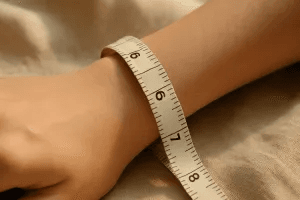
Measuring Wrist Size
Proper sizing is the foundation of comfort and appearance. Bracelets that are too tight restrict movement, while overly loose ones may slip off.
- Use a soft tape or paper strip to measure the widest part of the wrist near the bone.
- Mark the overlap point and measure the length.
- Add approximately 1.3 cm (½ inch) for comfortable movement.
- For wholesale or customization, adjustable designs or multiple size options are recommended to accommodate different wrist sizes.
Choosing Styles by Occasion
Bracelet design should match the wearing context:
- Tennis bracelets: Ideal for weddings, banquets, and formal business events, pairing well with evening wear or suits.
- Closed or cuff bangles: Suitable for daily stacking, parties, or festive occasions; mixing widths and finishes adds visual depth.
- ID or engraved bracelets: Perfect for personalized gifts or commemorative pieces, suitable for all occasions while conveying emotional value.
Personalization Tips
Adding unique elements increases perceived value:
- Engraving: Names, dates, or short phrases add meaning, especially for ID bracelets.
- Charms or pendants: Small symbolic elements reflect hobbies or milestones and work well for layered wear.
- Gemstones or birthstones: Enhance visual appeal and personal significance.
By balancing size, structure, comfort, occasion, and personalization, a well-designed metal bracelet can elevate overall styling while delivering both functional and aesthetic satisfaction.
Fulcol Custom & Wholesale Advantages: Creating the Ideal Bracelet
As a professional customization and wholesale supplier, Fulcol provides end-to-end support from concept to finished product. The following outlines Fulcol’s key strengths as a reliable bracelet factory.
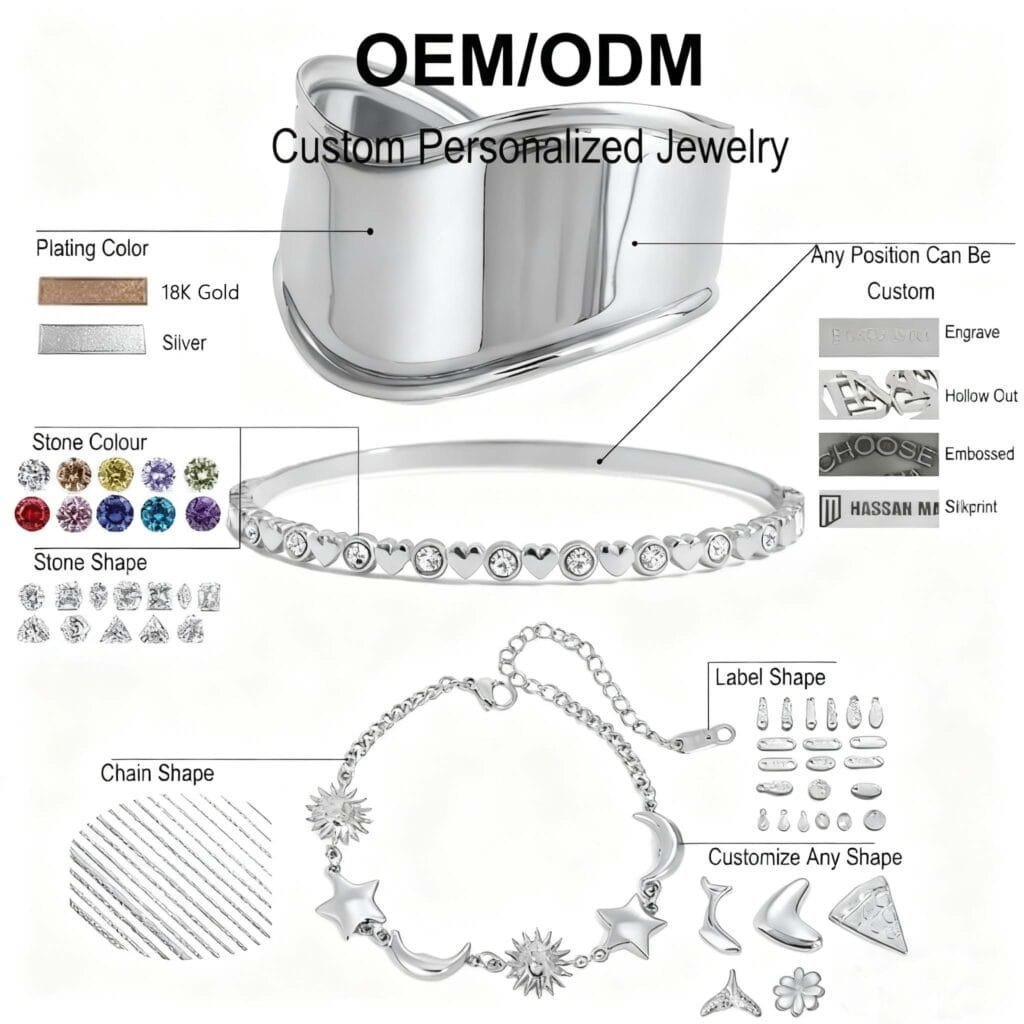
Custom Materials and Finishes
- Multiple metal options including gold, 925 silver, and brass.
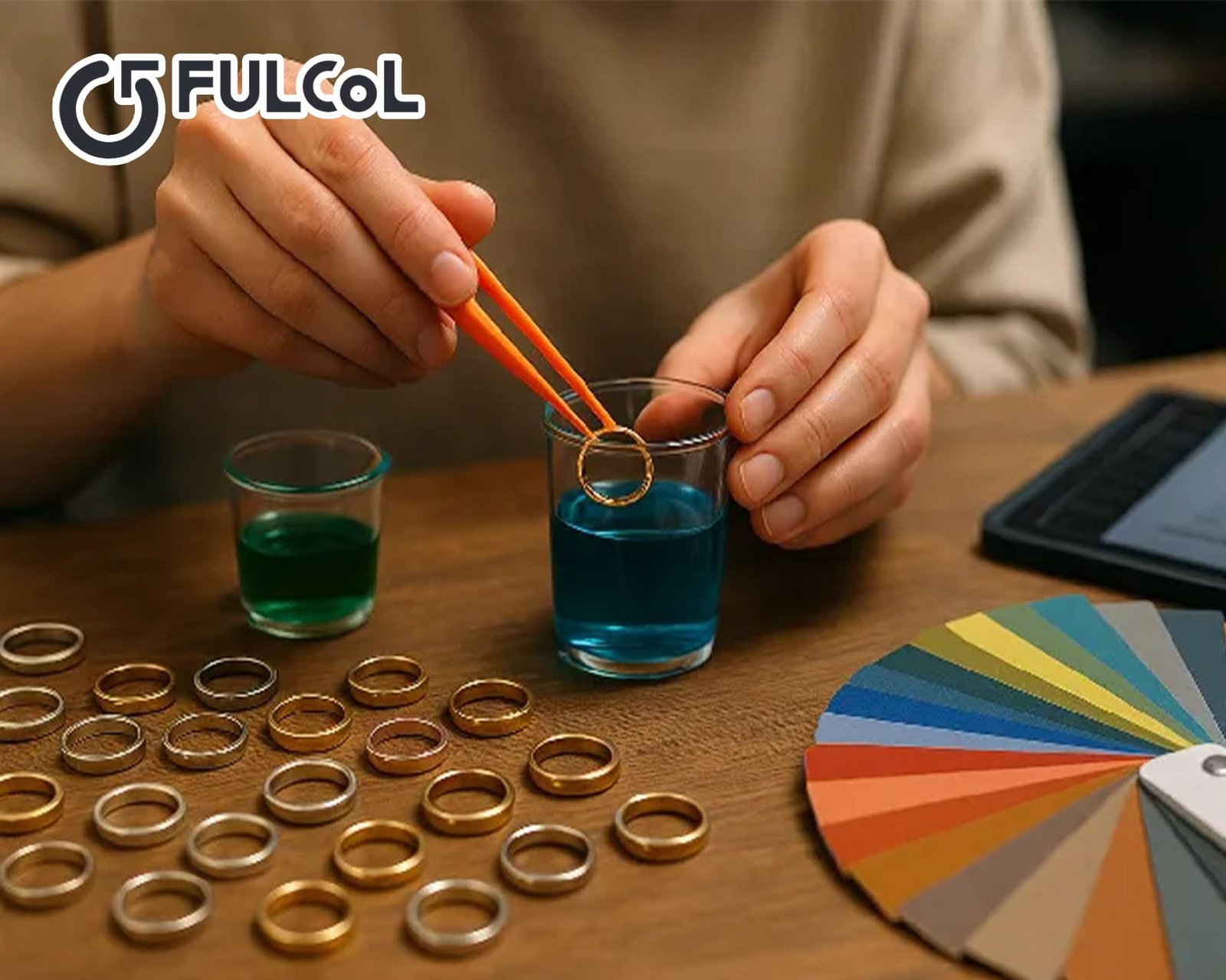
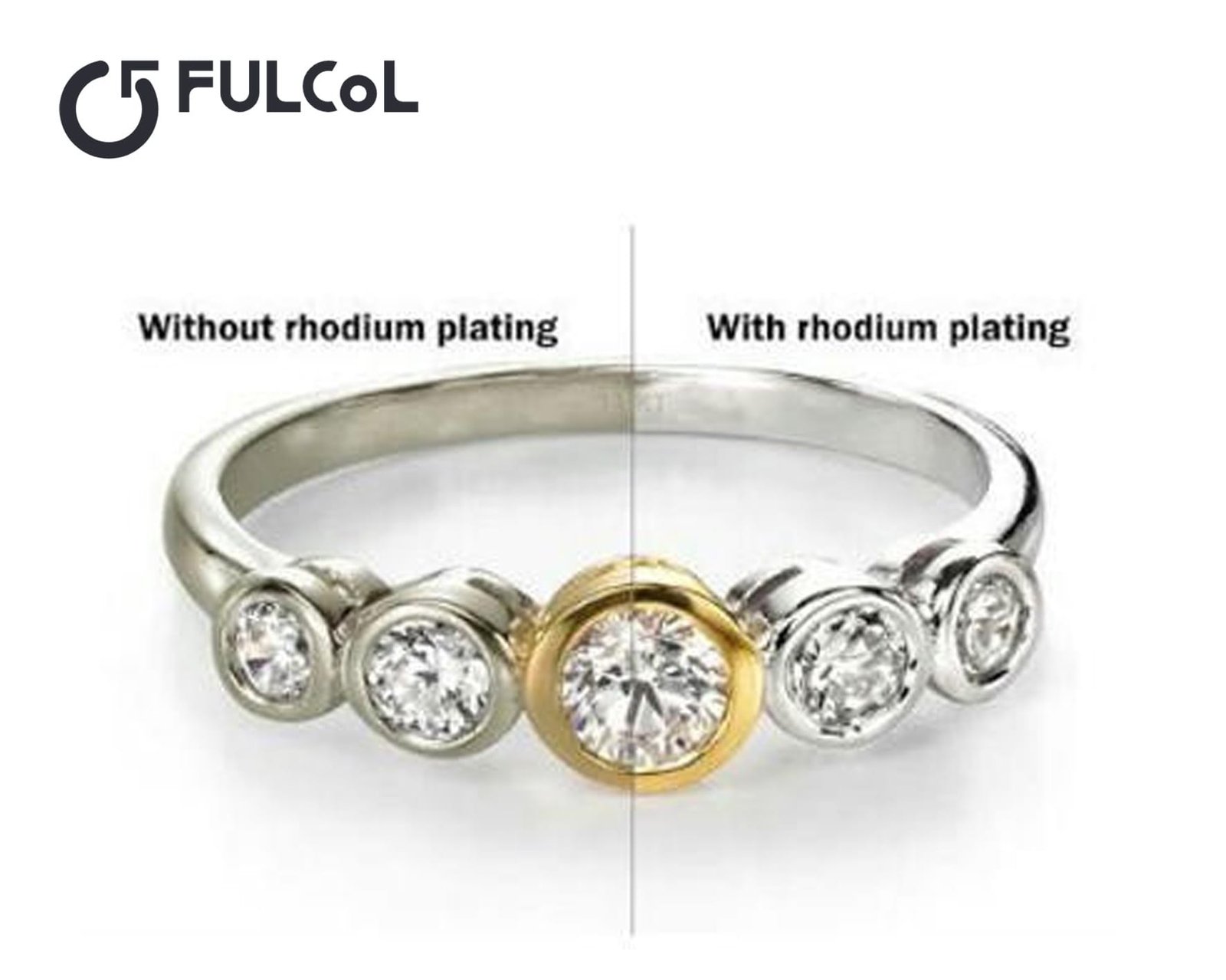
- Surface treatments such as electroplating, polishing, and enamel.
- Support for brand-specific decorative elements.
Flexible Chain and Clasp Designs
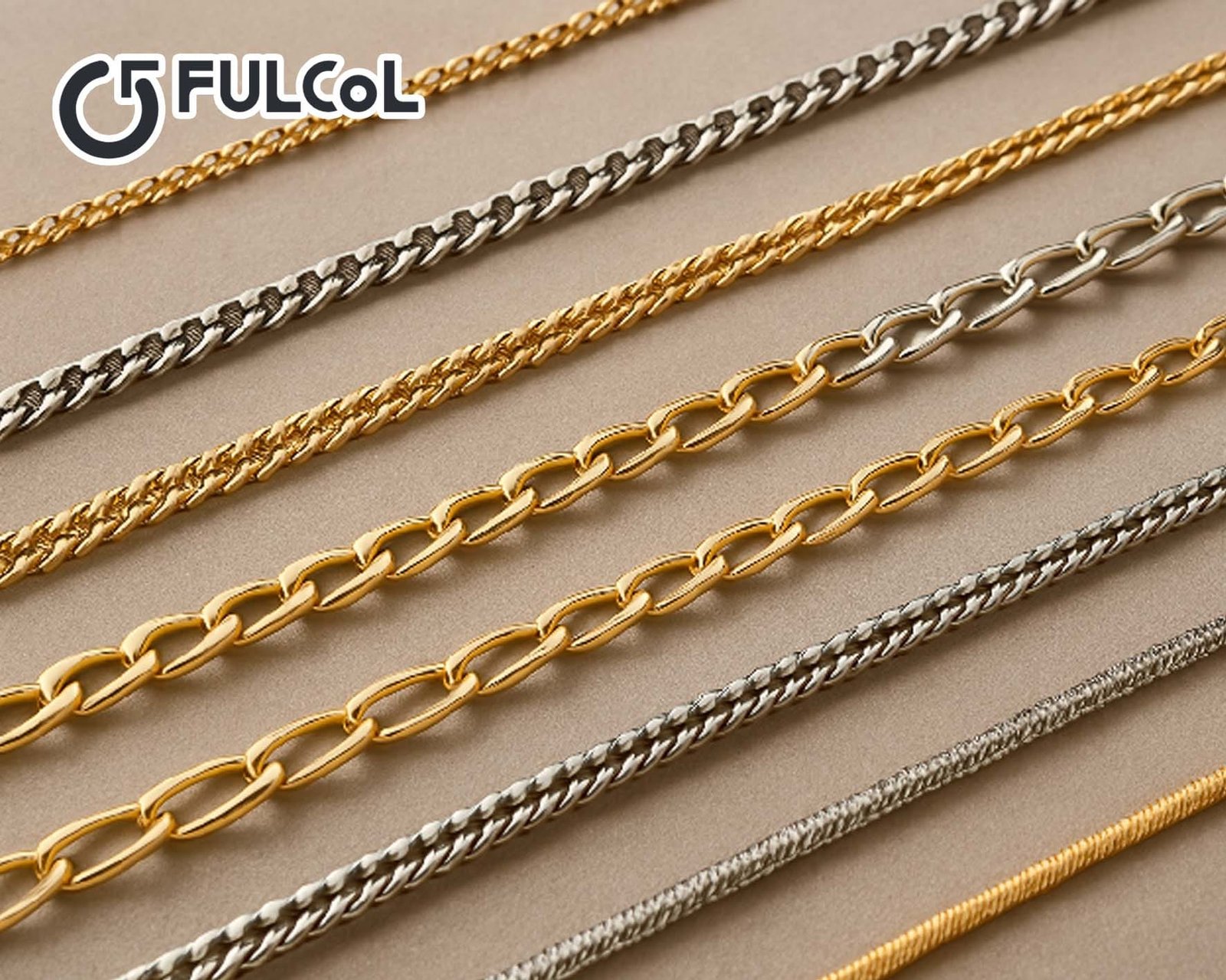
- Various chain structures and link styles available.
- Lobster clasps, box clasps, and adjustable closures ensure safety and comfort.
- Standard and custom sizing options for diverse markets.
Precision Manufacturing and Quality Control
- Strict control over casting, polishing, stone setting, and plating.
- Comprehensive checks including sizing, color consistency, clasp testing, and salt spray tests.
- Ensures structural stability and long-term durability.
Design and Prototyping Support
- Professional 3D modeling and custom engraving services.
- Fast or complimentary prototyping for design validation and market testing.
- Design suggestions aligned with trends and brand identity.
Small-Batch and Wholesale Flexibility
- Low minimum order quantities, starting from 50–100 pieces per style/color.
- Scalable production capacity for growing demand.
- Supports long-term partnerships with stable supply chains.
Complete Brand Solutions
- Custom logo integration and packaging support.
- Helps establish a consistent and professional brand image.
- End-to-end communication and technical assistance.
Through these capabilities, Fulcol delivers not only high-quality bracelets and bangles but also dependable, flexible, and efficient manufacturing services that turn creative ideas into market-ready products.
Frequently Asked Questions and Practical Recommendations
Frequently Asked Questions (FAQ)
Q1: What is the most commonly overlooked issue in custom metal bracelets?
A: Wearing comfort. Designs may look appealing but cause discomfort due to sharp edges, improper openings, or uneven weight distribution. Wear testing during prototyping is essential.
Q2: Do brass bracelets discolor easily?
A: Brass naturally oxidizes over time. Proper plating thickness and surface treatment can significantly slow this process, which is generally accepted in fashion jewelry.
Q3: Why does 925 silver darken over time? Is it a quality issue?
A: No. Silver reacts with sulfur in the air, causing oxidation. Regular cleaning or anti-tarnish treatments can restore its shine.
Q4: What is the typical minimum order quantity for custom bracelets?
A: MOQ varies by structure and process. Simple designs usually allow lower quantities, while complex structures may require higher volumes to balance costs.
Q5: How can you assess bracelet structural strength?
A: Check link or opening thickness, welding or connection integrity, and whether clasps have undergone repeated opening tests.
Practical Tips: From Design Selection to Mass Production
- Start with wearing scenarios when choosing structures.
- Define standard size ranges early to simplify production and inventory.
- Conduct real wear tests during prototyping.
- Match materials with appropriate surface treatments.
- Allow reasonable process tolerances to ensure stable mass production.
| Start Your Custom Order | Email: info@fulcol.com | Number:+86-18876512305 |
Although bracelets and bangles may appear to be simple accessories, they integrate structural design, material selection, sizing logic, and manufacturing craftsmanship. Different types and materials—whether brass or 925 silver—serve different scenarios, audiences, and brand strategies.
For brands and buyers, understanding these fundamentals is more valuable than merely following trends. With proper structure, comfort, and stable craftsmanship, bracelets can achieve lasting market competitiveness.
Supported by experienced customization and wholesale capabilities, manufacturing partners like Fulcol help brands transform ideas into reliable, scalable products—reducing trial-and-error costs while improving efficiency. This Guide to Bracelet Types aims to provide clear, practical, and trustworthy reference for your sourcing and customization decisions.